


Fence Installation in Vilano Beach, FL
Jax AA Fencing handles fence installation in Vilano Beach, FL, on some of the narrowest and most exposed lots we work in coastal northern St. Johns County. The strip north of the Usina Bridge has the Atlantic on one side and the Tolomato River and the Intracoastal Waterway on the other, so a fence here takes weather from both directions, and a large share of the homes sit raised on pilings, which changes how the line gets laid out on the ground. We are veteran owned by a nine-year Army veteran, licensed and insured, and we build aluminum, vinyl privacy, wood, and pool fencing with US-made materials. Estimates are free and happen on your lot, and any job over $2,000 gets $250 off right now.
Water on Both Sides Means There Is No Sheltered Side
A Vilano Beach lot has no easy side to put the cheap fence on. Most properties let you plan around one dominant exposure, running solid privacy panels where they are shielded and lighter material where the wind comes through. Here the ocean sits a short walk one way and the river the other, so both perimeter runs are exposed, and a solid panel takes pressure from one direction part of the year and suction from the other direction the rest of it. That reversal is what works fasteners loose and opens up rail brackets, usually long before anything about the fence looks tired from the street.
The housing along A1A adds the second half of the problem. Older ground-level cottages sit next to newer homes built up on pilings, sometimes on the same block, so fence lines routinely cross between a raised pad and natural grade. Under-house parking, stair landings, and outdoor showers all land in the middle of where the fence wants to run. In coastal northern St. Johns County we see more fences that were laid out around the house than fences that were laid out around the lot, and on a raised home that distinction decides whether the finished line looks planned or improvised.
Fencing a Raised House Without Tying Into the Pilings
A fence at a raised home has to stay a separate structure from the house, and that is the single rule most jobs here get wrong. Fastening a panel or a gate post to a piling looks tidy and turns the fence into a lever: every gust the fence catches gets fed as a side load into a member sized to carry the house down and to let water pass, not to resist a fence pushing on it. So the perimeter gets its own posts on its own line, clear of the piling field, and where a run has to meet the structure it terminates on a dedicated post beside it rather than bolting to it. The area under an elevated house is a different question again, because below the flood elevation any solid enclosure stops being a fence in the eyes of the rules and becomes part of the building, where the expectation is material that lets water through or gives way under surge instead of trapping it against the structure. That is why under-house screening stays light and non-structural while the real fence stays outside the footprint. Then there is grade. A raised pad or driveway sits high and the yard falls away to natural ground, occasionally by a foot or more inside a single bay, and aluminum will rack to follow that slope while rigid vinyl and most wood panels have to step, with each step planned so the gap at the low end does not open wide enough for a dog to walk under. We measure embedment from finished grade at each individual post rather than from the high side of the slope, since a post that reads plenty deep at the top of a fall is short at the bottom.
What Works on a Two-Sided Lot Under a Raised Home
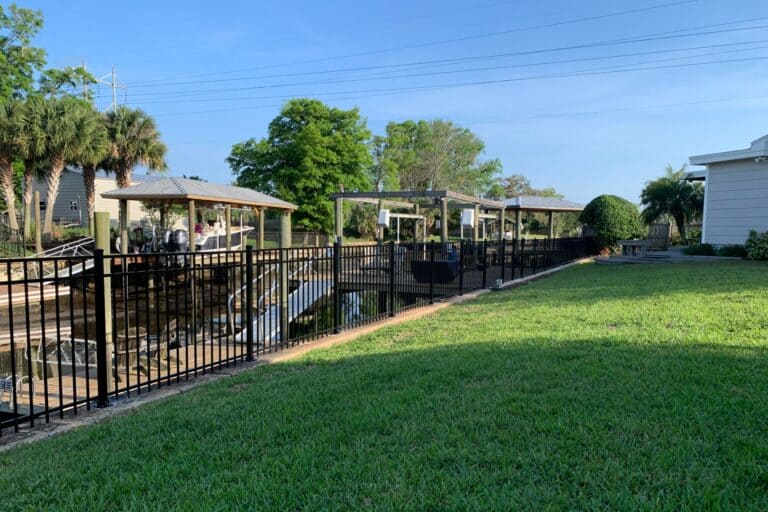
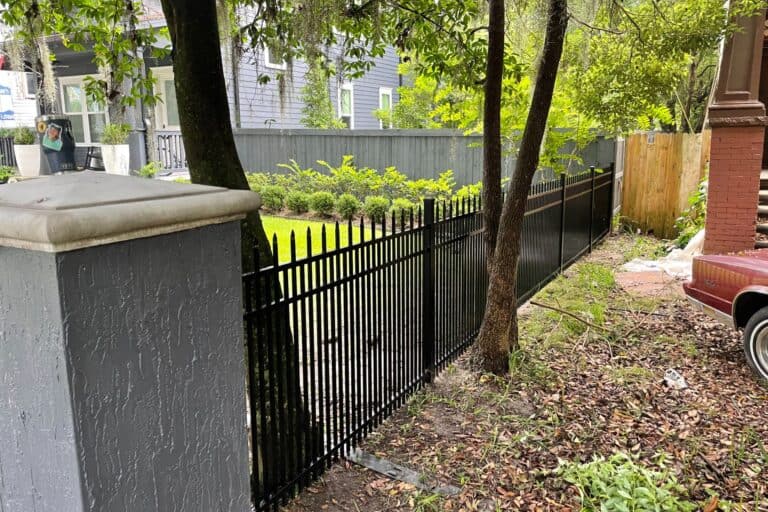
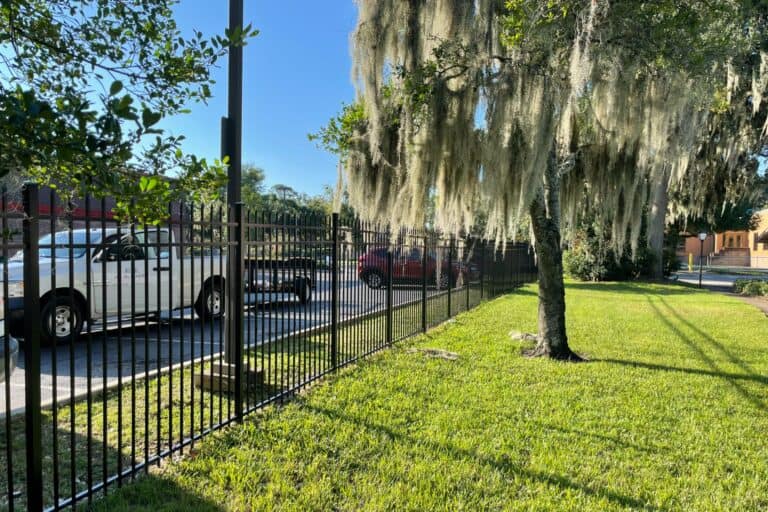
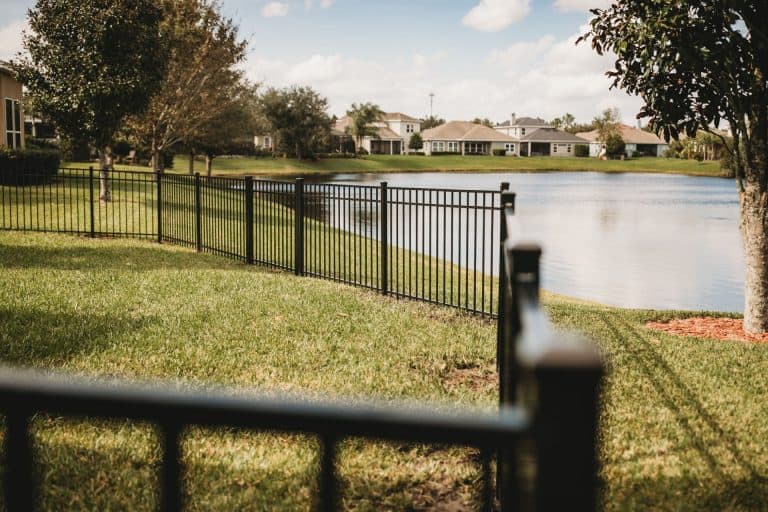
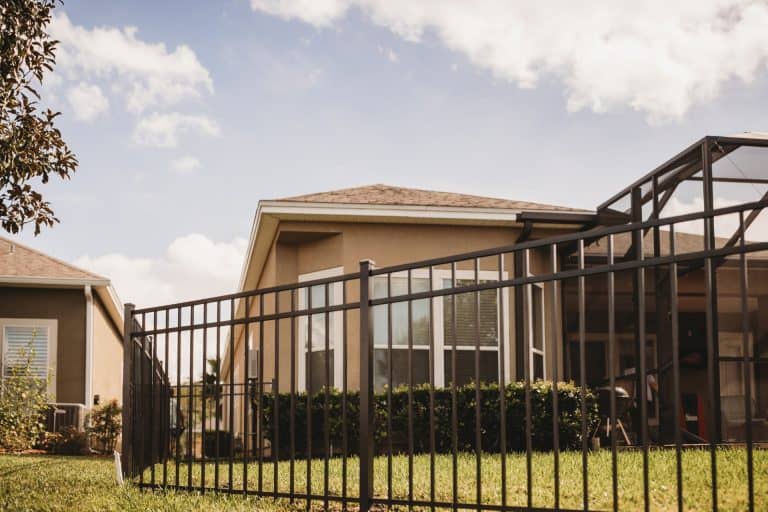
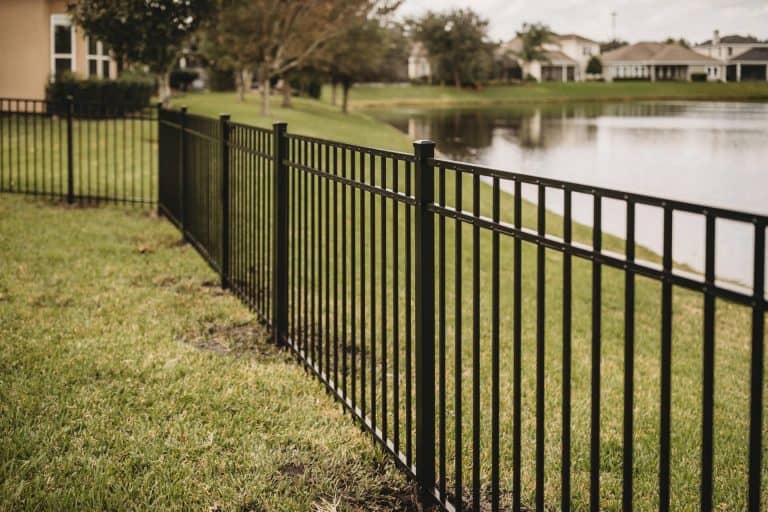
Aluminum is the workhorse on a dual-exposure lot for a simple reason: wind goes through it. Open picket does not build pressure on one side and suction on the other the way a solid panel does, so the connections are not being cycled every time the wind shifts, and aluminum fences also rack to follow the grade change between a raised pad and the yard without stepping. They meet Florida pool barrier code and carry a limited lifetime manufacturer warranty.
Vinyl privacy earns its place where you genuinely need the yard closed off, usually the ground-level living space under and beside a raised home. A vinyl privacy fencing run has to be built with shorter bays and deeper posts here because it acts like a sail from both directions, and it steps rather than racks, so the layout gets planned before anything is ordered.
Wood works well for a shorter privacy screen around stairs, storage, and outdoor shower areas, where you want something solid without wrapping the whole lot in it. We build wood fences with US-made lumber and set the posts for an exposed lot, not a sheltered one.
Where a raised home has real architecture to it, our premium fence styles cover heavier profiles, custom gates sized for under-house access, and mixed runs that put privacy where you live and open picket where you want the water view kept.





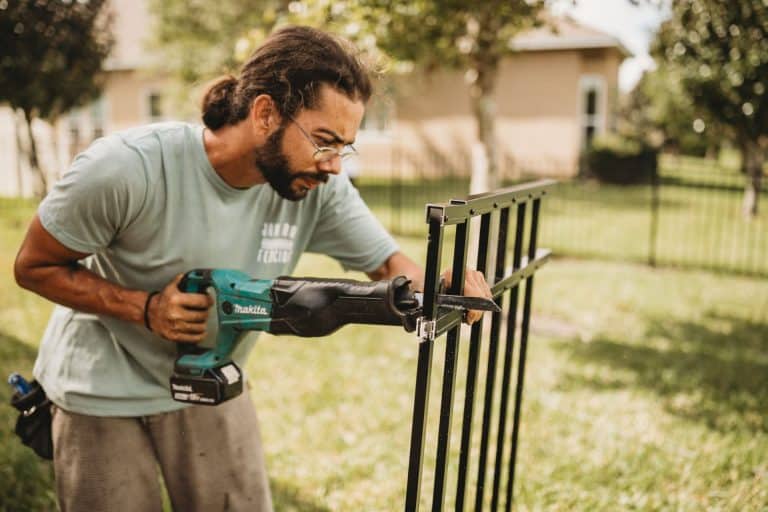
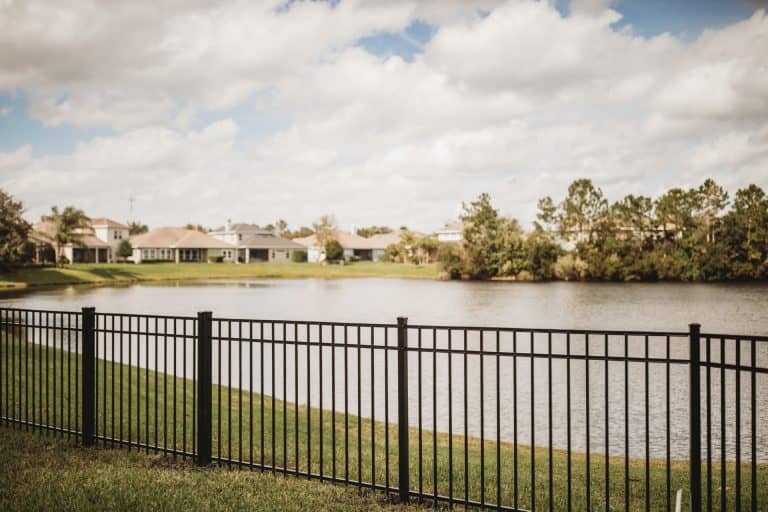
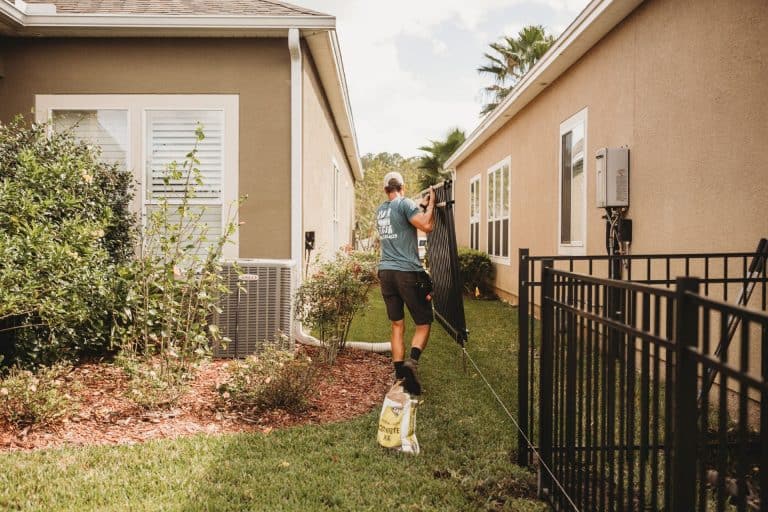
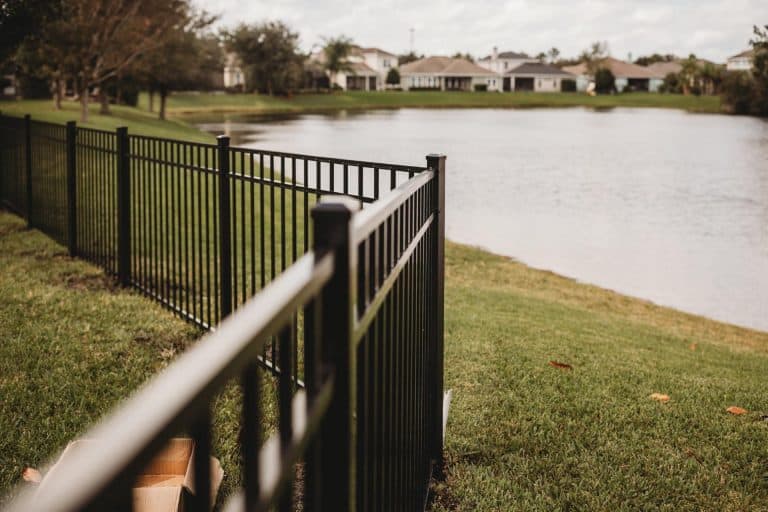
Full-Time Residents, Rental Owners, and Riverfront Properties
Residential
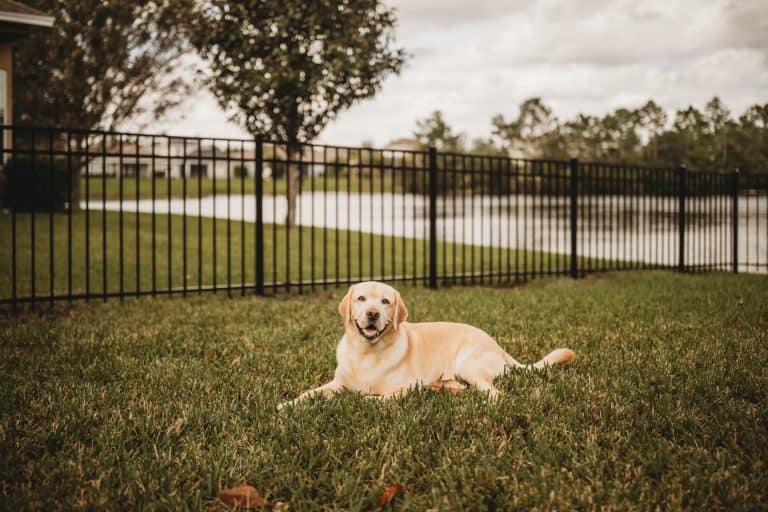
Residential work in Vilano Beach splits between raised homes and older ground-level houses, and the two need different layouts. On a raised home we work out gate placement around the stairs and the under-house parking first, because those fix everything else about the line. On a slab home the job is closer to a standard perimeter, just built for exposure on both faces. Pet containment matters here too, since a stepped fence on sloping ground can leave a gap a dog will find in a week. The rest of our coverage is on the St. Johns County fence page.
Commercial
Commercial fencing in coastal northern St. Johns County covers small businesses along A1A, rental properties, marinas, and equipment enclosures on the river side. Waterfront commercial sites take the same two-sided exposure a house does, with the added wrinkle that a perimeter fence often runs close to a bulkhead or a dock approach. We handle St. Johns County permitting, keep the disruption to a day or two, and build to a spec that does not need attention every season.
How Fence Installation Works on a Vilano Beach Lot
The estimate. We walk both exposures with you, look at how the ground falls from the pad to natural grade, and figure out where the fence can run without crowding the pilings, the stairs, or the parking underneath. You get a layout and a straight number on site, free of charge and free of pressure. If the current fence is past the point where rebuilding the same line makes sense, our fence replacement page covers the teardown, the old footings, and the haul-off.
Approvals. Vilano Beach is unincorporated, so St. Johns County permitting applies, and we pull the permit and prepare any association packet ourselves. On a raised home the drawing needs to show what is happening under the structure as well as around it, which is the detail that most often sends a submission back. Installation typically starts 2 to 3 weeks after approval.
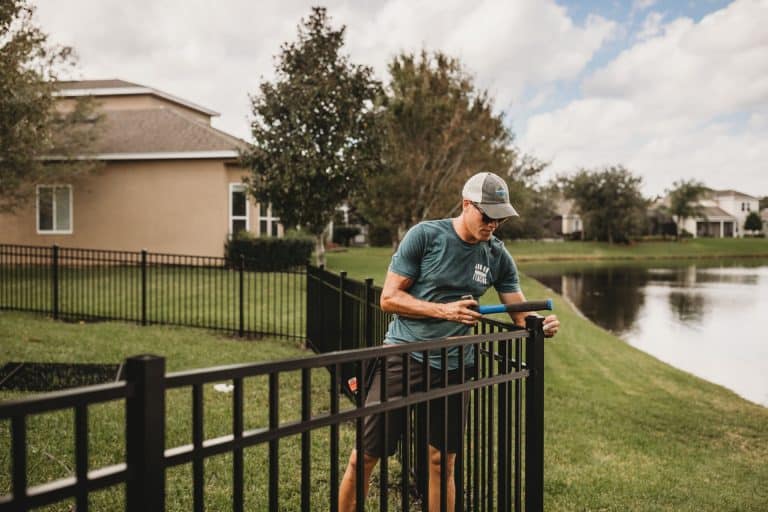
Install day. The line gets set clear of the piling field first, with nothing fastened to the structure, then the grade transitions get built as planned instead of improvised where the yard drops. Gates go where they clear the stair swing and the under-house opening, and each one hangs on a steel I-beam post, because a gate on a lot with wind from two sides gets pushed both ways every day of its life. Most installs finish in 1 to 2 days and we haul off all of it. Comparing a property down at the south end of the island? Our St. Augustine Beach page covers the rules over there, which are different. Wisetack financing runs an average APR of 7 to 10%, plus military and first responder discounts.
Questions From Owners of Raised Homes in Vilano Beach
No, and it is worth being firm about that. Pilings are sized to carry the house vertically and to let water move past them, not to take a side load from a fence panel catching wind. Bolting a fence to one turns the panel into a lever working on your foundation every time the wind blows. We set the fence on its own posts, clear of the piling field, and where a run has to reach the house it ends on a dedicated post beside the structure rather than fastening to it.
Only in a limited way, because below the flood elevation an enclosure is treated as part of the building rather than as a fence. The expectation in that zone is material that lets water pass or gives way under surge instead of trapping it against the structure, which rules out a standard solid privacy panel walled around the underside. What does work is light, non-structural screening under the house with the real perimeter fence running outside the footprint. We lay both out at the estimate so you know what is allowed before you plan the space.
Two ways, and the material decides which. Aluminum racks, meaning the panel skews to follow the slope so the pickets stay vertical and the rails run parallel to the ground, which gives you a clean continuous line down a fall. Vinyl and most wood panels are rigid, so they step down in stages, and each step has to be sized so the gap at the low end stays small enough to contain a dog. On a raised lot we measure post depth from finished grade at each post instead of the high side, because a post that looks deep at the top of a slope is short at the bottom.
Open picket, on at least the more exposed of the two runs. A solid panel on a two-sided lot takes pressure from one direction and suction from the other as the wind shifts through the year, and that back-and-forth loading is what loosens fasteners and rail connections over time. Aluminum lets the air through and skips most of that. Where you genuinely need privacy, we still build it solid, just with shorter bays and deeper posts so the panel is not asking more of the footing than the ground can give.
Yes. Vilano Beach is unincorporated, so St. Johns County permitting and county fence standards apply rather than a municipal ordinance, which is a real difference from the incorporated beach city to the south. Flood zone requirements apply on top of that for anything at or under an elevated structure, and some neighborhoods add their own guidelines. We confirm all three for your address before quoting and pull the permit ourselves so there is no gap between what was approved and what gets built.
Usually somewhat, and the reason is layout rather than materials. Projects here typically land around $41 to $51 per linear foot installed, but a raised lot adds grade transitions, extra gates for under-house access, and a line that has to work around stairs and pilings, all of which are the labor-heavy parts of any fence. A design that runs open picket on the exposed sides and privacy only where you actually use the ground level often lands lower than fencing the whole perimeter solid. The on-site estimate is free, and $250 comes off any job over $2,000.
Beside the drive opening rather than across it, in almost every case. A gate spanning the under-house parking bay has to clear the stair swing, the vehicle path, and the low header of the structure above, which makes for a heavy gate in a bad spot. Putting a walk gate to one side and leaving the drive opening free keeps the fence usable and the hardware alive far longer. We work out gate placement first on a raised lot, because it determines corner posts and everything downstream of them.
What Owners on the Strip Say Once the Line Is Done
Posted on Google
 Shirley Abril
Trustindex verifies that the original source of the review is Google.
I highly recommend Jax AA Fencing! Dylan was amazing to work with. He was professional, knowledgeable, and took the time to clearly explain everything throughout the process. The quality of the work was excellent, and the entire experience was smooth from start to finish. Thank you, Dylan, for the outstanding service!Posted on Google Michelle YoungEveryone was so nice and helpful from start to finish. i had a vinyl fence put in and it looks great. Grace was wonderful and helpful with the HOA and the documentation needed, it was so easy. It was installed sooner than I thought and Brandon took great care making sure it looked good.Posted on Google
 Suzanne HerndonOur new fence is amazing! Dylan came and measured for an aluminum fence along the lake line and a white fence in the front that connected with our neighbors. The fencing was erected in one day. Dylan showed great attention to detail and made sure all of the slats were symmetrical. He was prompt, professional and very nice. When he was done he had me walk the perimeter to show me his work and to make sure I was satisfied. I would enthusiastically recommend Jax AA Fencing to anyone in need of a quality fence!Posted on Google
 George RoyalJax AA Fencing did an amazing job removing my old fence and installing a new one! The installation team was prompt, very polite, and professional. I highly recommend Jax AA Fencing if you want a great looking fence, done right, and at a reasonable price.Posted on Google
 Arthur SchlofmanExcellent job donePosted on Google
 Stacey CampbellGreat company to work with from quoting to installation. The staff very helpful. Would definitely recommend them to anyone.Posted on Google
 AJThank you to the whole team at Jax AA. You guys are awesome, and your work ethic is outstanding. The whole process was so easy, and the customer service was amazing. I’m a returning customer, and that says a lot about this company. Great communication, very punctual, prompt and professional.Posted on Google
 Samuel DrumI wanted to get my fence extended to have access to the side faucet of the house. The estimate was reasonably priced and every step along the way was very professional, and they kept in touch while waiting for the HOA approval. When my HOA finally approved the project we got everything scheduled in a timely manner. On the day of install it was super quick and done before I knew it. I highly recommend them for service and any future fencing needs.Posted on Google
 Sean CaseyExcellent experience with Jax AA Fencing! Mark and Brandon were professional, friendly, and kept us informed throughout the entire project. The fence was installed quickly, looks great, and the workmanship is top-notch. Highly recommend Jax AA Fencing to anyone looking for quality fencing and outstanding customer service!Posted on Google
 Matthew McMainFantastic people to work with. Very professional and timely. They listen to your wants and deliver.
Lay Out the Line Before Anybody Digs
On a narrow lot with water on both sides and a house up on pilings, layout is most of the job, and it is worth getting a set of eyes on it before you commit. We will walk both exposures, work out where the fence can run clear of the structure, and hand you a real number the same visit. Most lines here end up at least partly open picket, and our aluminum fencing page shows the panels and racking we use on sloped, exposed lots. Look through our gallery for recent work, check our service areas for the rest of the coverage, or call (904) 330-4829 weekdays 8am to 4pm ET. Free on-site estimate, veteran owned, and $250 off any job over $2,000.
Down the coast, Ponte Vedra Beach covers what sand does to a post footing.