# The Best Fences for Dogs: Heights, Materials, and Dig-Proofing That Actually Work
For most dogs, a 6-foot solid privacy fence is the answer. It is too tall for almost any dog to clear, blocks the sight of squirrels and passing dogs that trigger fence-running, and gives escape artists nothing to climb. But “most dogs” is not your dog, so here is how to match the fence to the animal you actually have.
Height: Match It to the Dog, Not the Average
Small breeds are contained by 4 feet. Athletic mid-size dogs, your huskies, shepherds, and pit mixes, can clear 4 and sometimes 5 feet from a standstill, so they get 6. True jumpers and climbers need 6 feet with no horizontal rails on the inside face, because a determined climber uses rails like a ladder. If your dog has ever cleared a fence before, buy the extra height. A fence that is one foot too short is a fence that does not work.
Solid or Open: The Visibility Question
This one surprises people: for reactive dogs, a solid fence is calmer than an open one. A dog that can see every jogger, cat, and delivery driver patrols and barks all day. Wood and vinyl privacy fences remove the stimulus, and yards get quieter within weeks of installation.
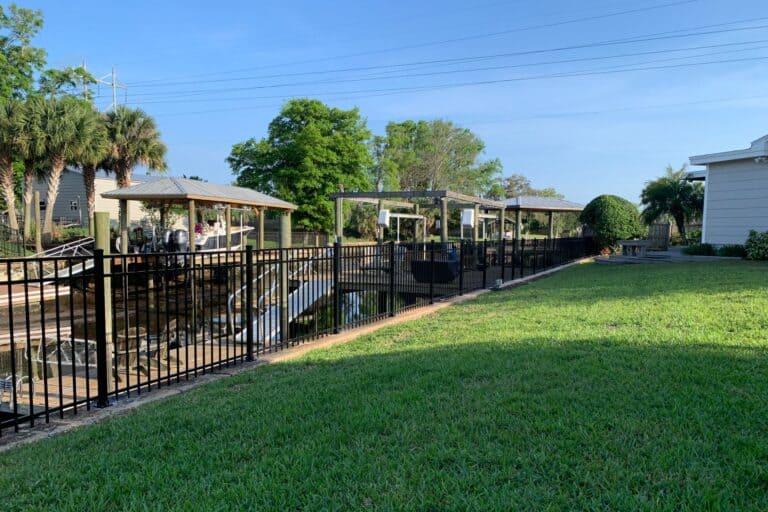
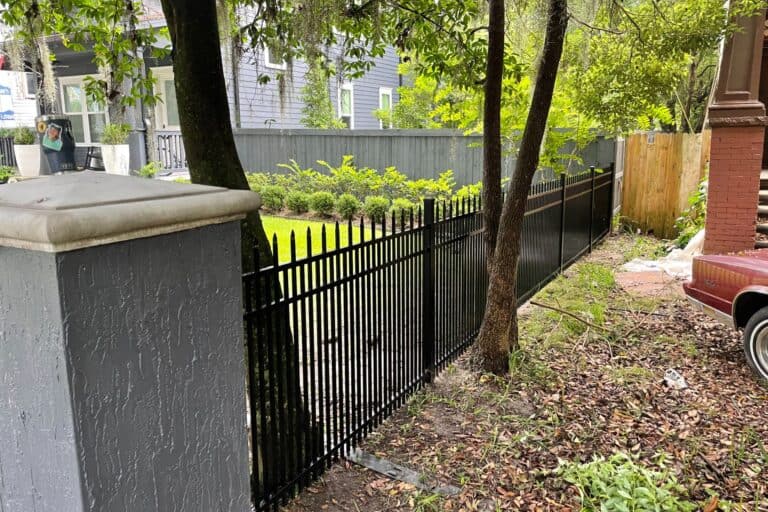
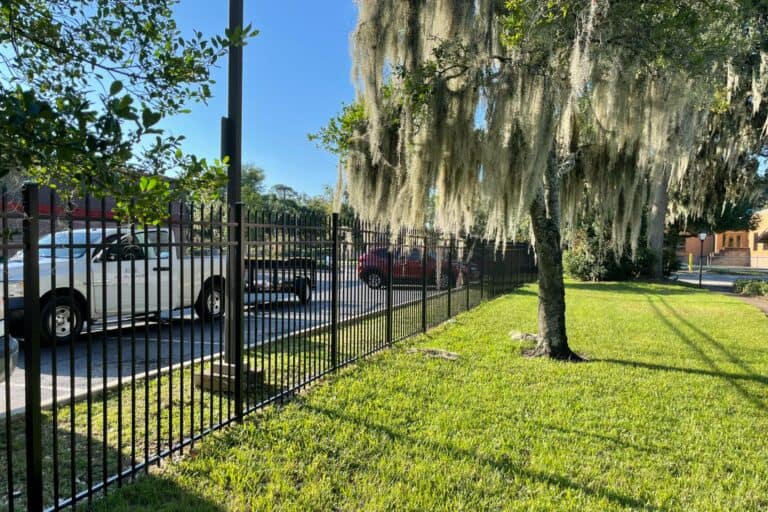
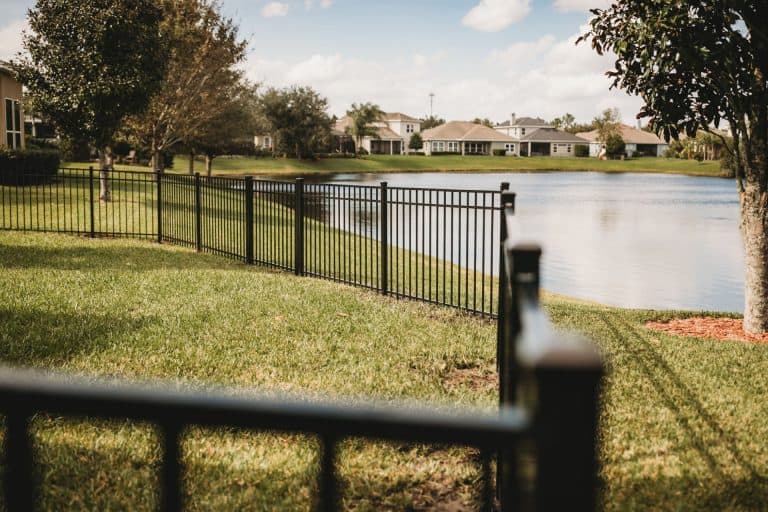
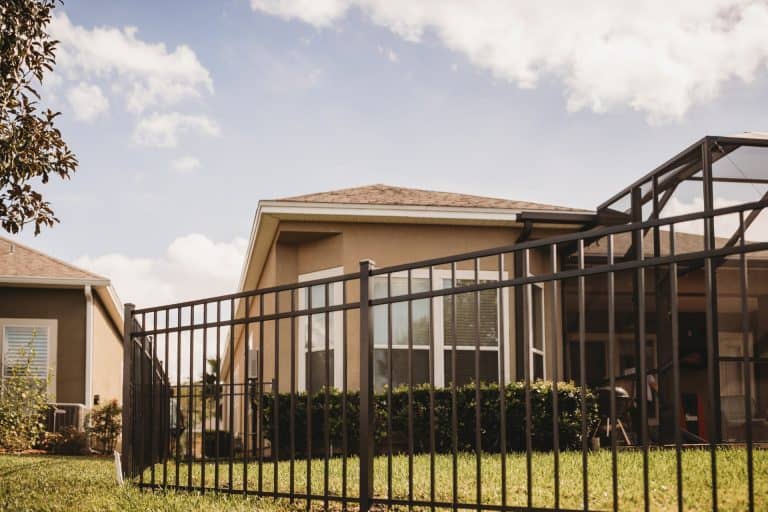
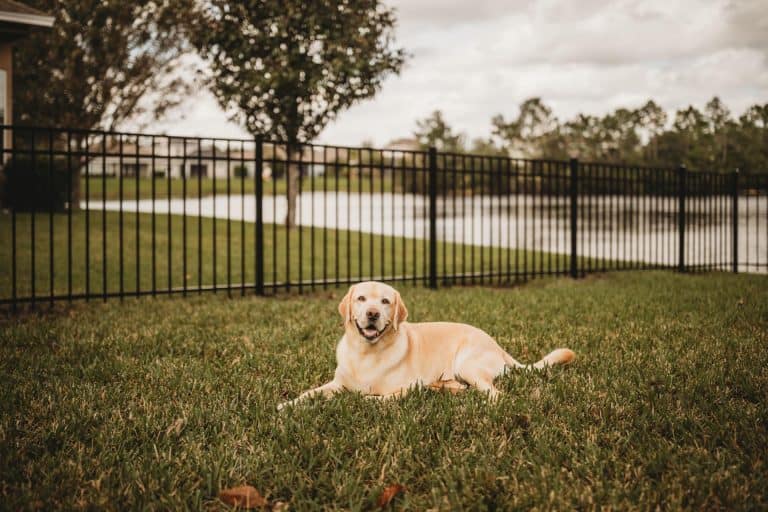
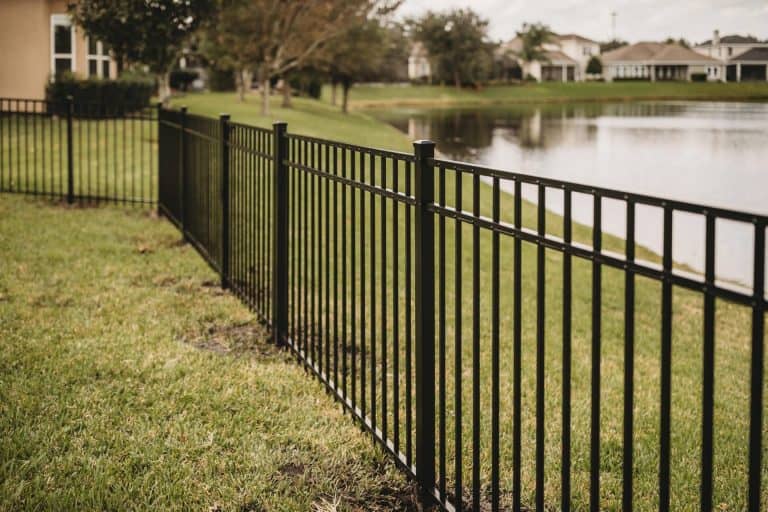
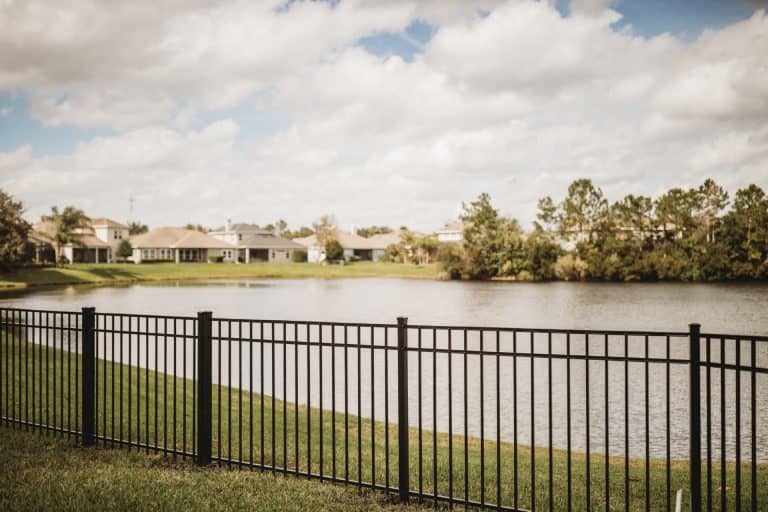
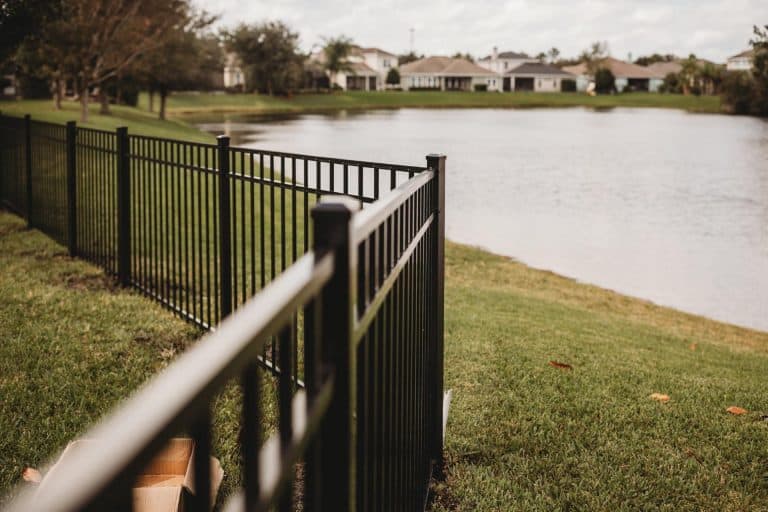
Open aluminum picket works well for easygoing dogs, and it keeps views intact on larger properties. Two cautions: picket spacing needs to be tight enough that a small dog cannot slip through, and a dog that patrols the fence line at visible triggers will keep doing it through pickets.
Materials Against Chewers and Diggers
Wood is the traditional dog fence and handles most dogs fine. Dedicated chewers can work on pickets, and board-on-board styles put more wood between dog and freedom.
Vinyl has no grain to chew into, smooth faces with no grip, and stands up well to big dogs that throw their weight around. For strong escape artists it is arguably the best material available.
Aluminum is effectively chew-proof, but it is an open style, so it is the pick for dogs that respect a boundary rather than test one.
Dig-Proofing in Florida Sand
Northeast Florida’s sandy soil is easy digging, and diggers figure that out fast. What works:
- Bury the bottom line. Fences can be installed with the bottom rail or pickets closer to grade, minimizing the starter gap a digger needs.
- Barrier at the base. A run of buried wire or pavers along the inside of the fence line turns digging into a dead end. Ugly solutions like scattered rocks work briefly; a proper barrier works permanently.
- Watch the gates. The gap under a gate is the natural low point. Gate thresholds and grading fix what a determined nose will otherwise find.
Families in Fruit Cove and Switzerland back up to creeks and preserve land, which means wildlife smells on the other side of the fence. If that is your lot, take digging seriously from day one.
The Gate Is the Weak Point
Most dog escapes are gate escapes: a latch that did not catch, a gate left ajar, a gap underneath. Self-closing hinges and positive-latching hardware, the same setup used on pool gates, close the loop a family member leaves open. If you have kids and a door-darting dog, self-closing gates are the single best upgrade on the project.
Frequently Asked Questions
What fence height stops a husky?
Six feet, solid face, nothing climbable on the inside. Huskies are the escape-artist benchmark: they jump, climb, and dig, so pair the height with dig-proofing at the base.
Is invisible fencing enough?
An underground wire stops some dogs sometimes, but it does not stop what comes in: other dogs, wildlife, people. A physical fence contains your dog and protects them at the same time. Many owners run both.
Will a fence stop the barking at everything?
A solid privacy fence removes the visual triggers, which cuts patrol barking substantially for most dogs. It will not fix separation barking, but sight-line barking usually improves fast.
Build the Yard Your Dog Cannot Beat
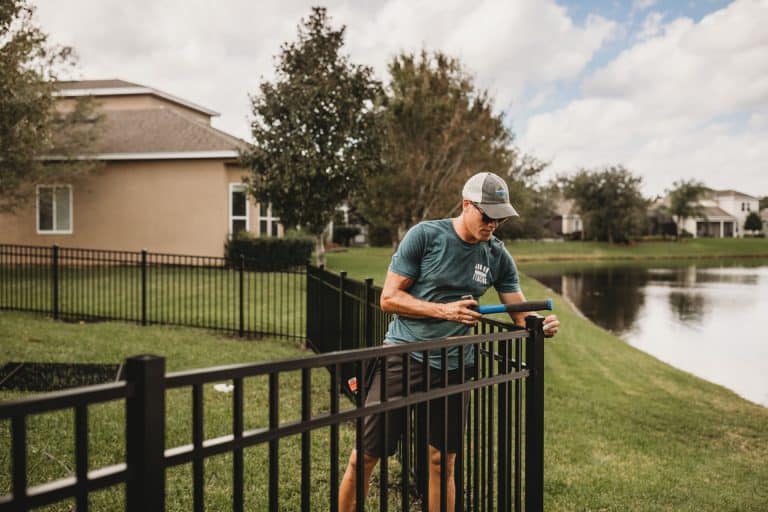
Tell us about the dog, honestly, escapes and all, and we will spec the height, material, and base treatment that ends the game. Jax AA Fencing is veteran-owned, installs across Northeast Florida, and every project starts with a free on-site estimate.