

Fence Installation in Ortega, Jacksonville, FL
Jax AA Fencing installs fences in the Ortega area of Jacksonville, where many lots are larger than average, mature oaks are part of the setting and some properties run down to the water. Fence work here is decided by the ground you actually have: where the trees are, where a run stops if the lot meets the river, and what is recorded against your own property. We are veteran-owned, we install wood, vinyl, aluminum and premium composite, and the same crews handle our fence replacement work.
Larger Lots, Mature Oaks, and Where the Line Meets the Water
Ortega sits on a peninsula between the St. Johns River and the Ortega River, and part of it is listed on the National Register of Historic Places as the Old Ortega Historic District. That listing is a recognition of character, not a local design review, so what shapes a fence here comes from the property itself. On a riverfront lot it changes what happens at the end of a run, because a line that ends at a bulkhead or a sloping bank is a different problem from a line that ends at a back fence. Where a property faces open water, wind on a tall solid panel and damp air on the hardware are worth accounting for.
The other thing that shapes many Ortega fences is the trees. These are established lots, mature live oaks in yards and over streets are a familiar part of the area, and the fence line was drawn on a plat that never asked the trees where they were going to be. Where the line and a root plate want the same ground, something has to give, and it should be a decision rather than an accident.
The Water End, the Oaks, and What Is Actually Recorded on Your Property
Three things are worth settling early on an Ortega property.
The end of the run at the water. On a riverfront lot the fence has to stop somewhere, and where it stops is a real decision. The ground may fall away toward a bulkhead or seawall, the last few feet can be the wettest ground on the property, and the view you paid for is directly behind the point where the panels end. Running solid privacy panels all the way to the water can solve the wrong problem. We work out with you where privacy stops being useful and the view starts, and set the line accordingly.
Oaks that were here first. Feeder roots are not the issue. The structural roots near the trunk are, and cutting them can destabilize a mature tree or start a decline that may not show for some time. A larger lot may give us somewhere to go, so the answer is often moving a post, changing panel widths, or stepping the line rather than cutting something load bearing.
What is recorded on your property, not on the neighborhood. Ortega is not a locally designated historic district, so anything that limits what you can build generally comes from your own paperwork rather than from the area at large: a drainage or utility easement crossing the back of the lot, a deed restriction written into your title, or a private covenant on your particular street. Those are property specific, they do not apply uniformly, and they are worth confirming by address and against your survey before anything is set.
Materials for Riverfront Exposure, Shaded Ground, and Long Runs Under Oaks
Wood suits the character of the older houses in Ortega and it is the easiest material to adjust on site when a root or a change in grade forces a rethink halfway down a long run. Under heavy canopy it can stay damp longer than it would in open sun, so post treatment and hardware choice matter more on a shaded lot than on an open one, and it will want maintenance.
Vinyl ends the maintenance cycle and holds a clean line across the kind of long runs a larger lot can produce. On the exposed side of a waterfront property, wind loading on a solid panel is a real consideration, so post spacing and how the posts are set matter as much as the panel choice itself.
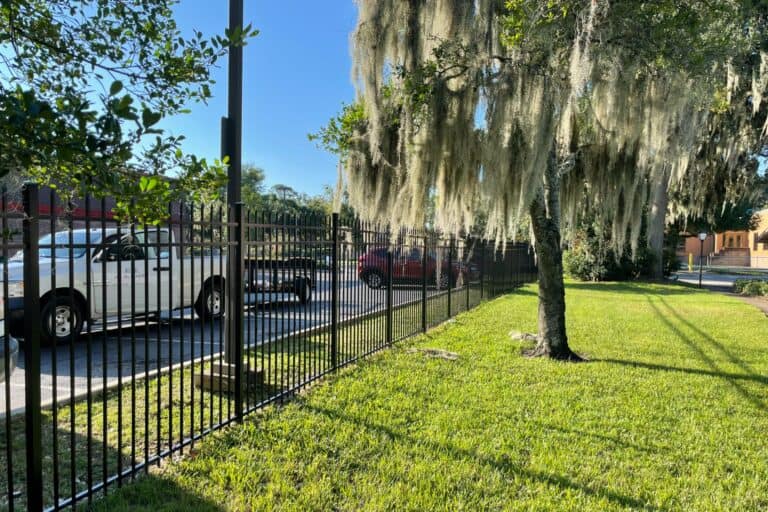
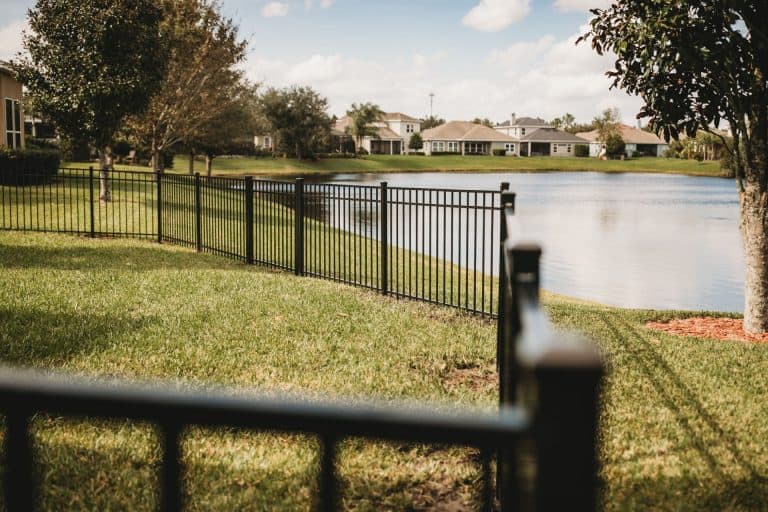
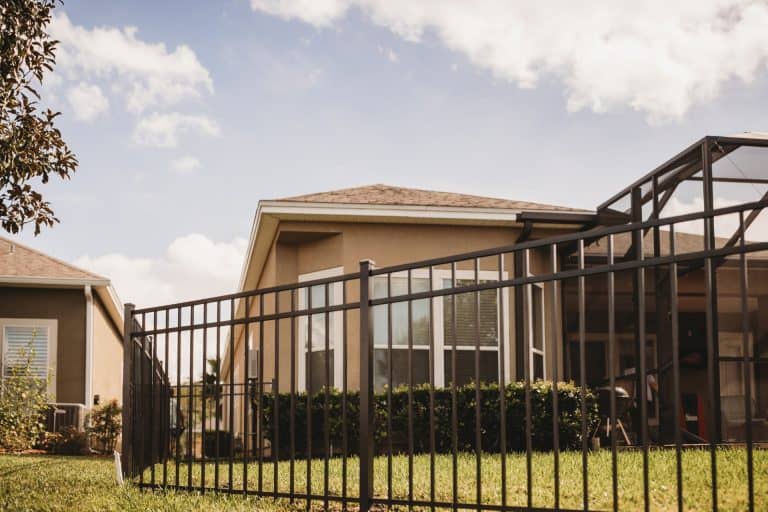
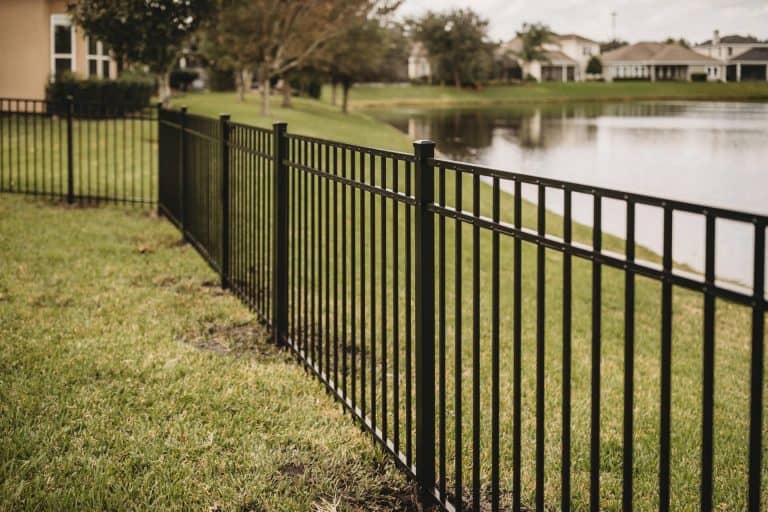
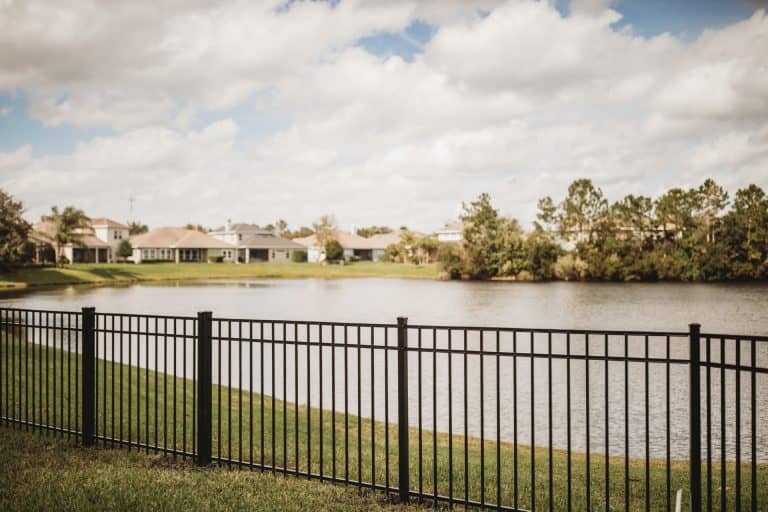
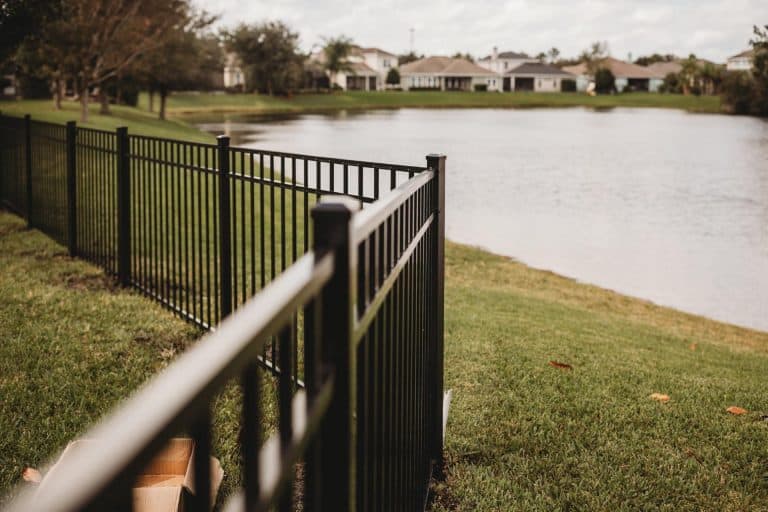
Aluminum is a strong option anywhere the water is part of the reason you bought the place. It marks the boundary without taking the view, it lets wind through instead of fighting it, and it holds up well in damp conditions. On a riverfront lot, ending a privacy run and finishing the last stretch in aluminum is one way to keep both privacy and the view.
Premium composite on an aluminum frame gives full privacy on a long line with no repainting, which suits owners with a large perimeter who do not intend to revisit the decision. It is at its best on the side runs between neighbors rather than on a stretch facing open water.





Riverfront Back Yards, Larger Lots, and Businesses Along Ortega Boulevard
Residential
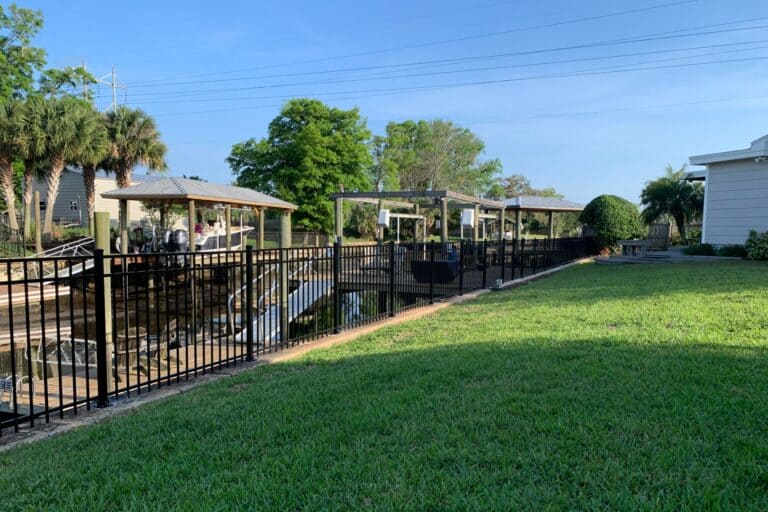
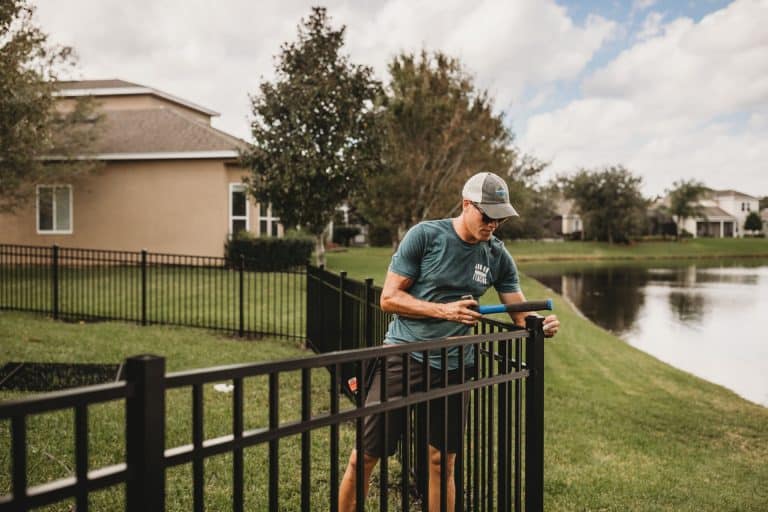
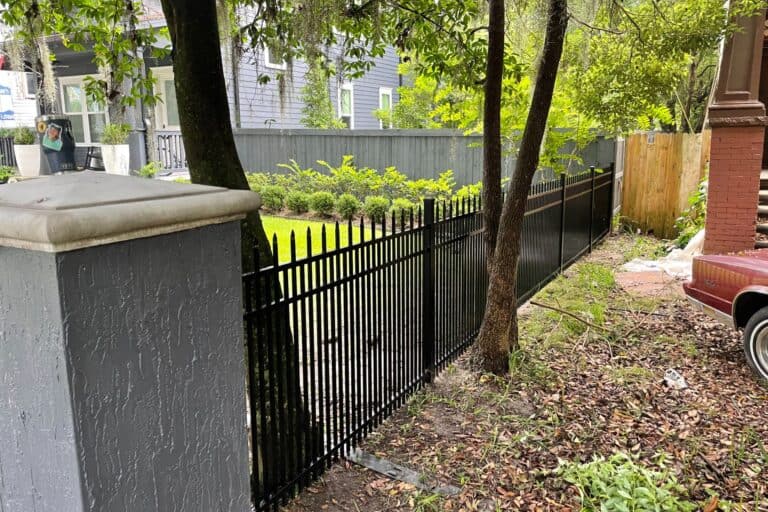
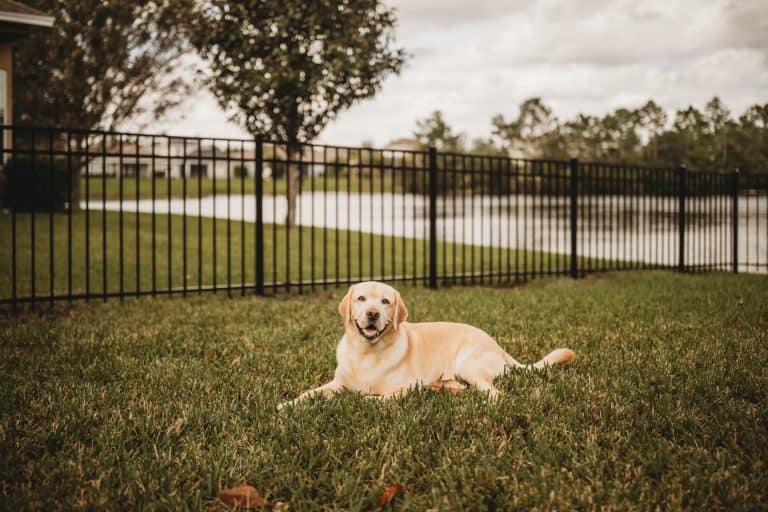
Common residential projects in Ortega may include full perimeter and back yard fencing on larger established lots, gates sized for a boat trailer or a truck rather than a mower, pool enclosure fencing, and replacement of runs that went in years ago and have finally failed at the base. Waterfront properties take the most planning, because the last stretch of the line is the part you look at every day.
Commercial
Along Ortega Boulevard and the Roosevelt Boulevard corridor we can install property line fencing, dumpster and equipment enclosures, parking boundaries and access gates for businesses that need the boundary to be secure and still look right from the road.
Walk the Whole Line, Including the Wet End
The estimate walk. We walk the full line with you, not a satellite image of it. Which oaks are staying, where the ground falls if the lot meets the water, where privacy stops mattering and the view starts, and how wide the gates need to be for a trailer, a mower or a truck.
Permits and approvals. Fence permitting in Ortega runs through the City of Jacksonville Planning and Development Department, and requirements depend on height and placement. Ortega’s National Register listing does not add a local design approval, but property-specific requirements may apply, such as a recorded easement, a deed restriction or a private covenant on your street, so confirm by address and check your survey. We handle the city permitting side as part of the job.
Locates before digging. 811 gets called on every job. A full perimeter on a larger lot is a lot of holes, and one unmarked line is one too many.
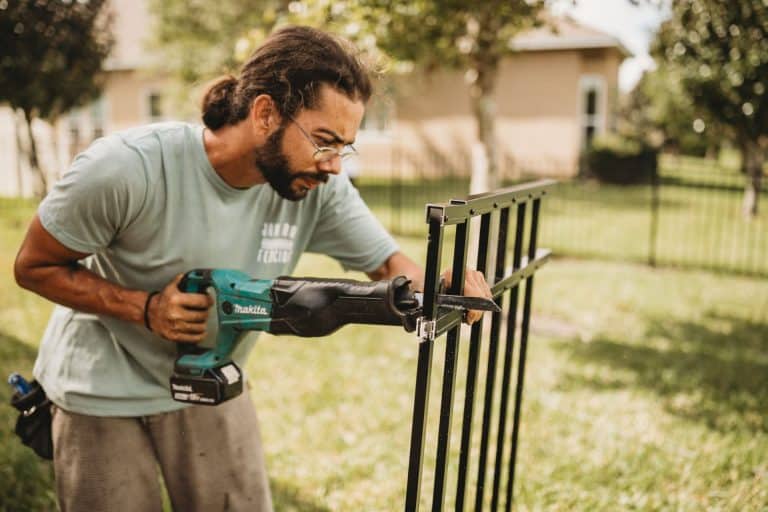
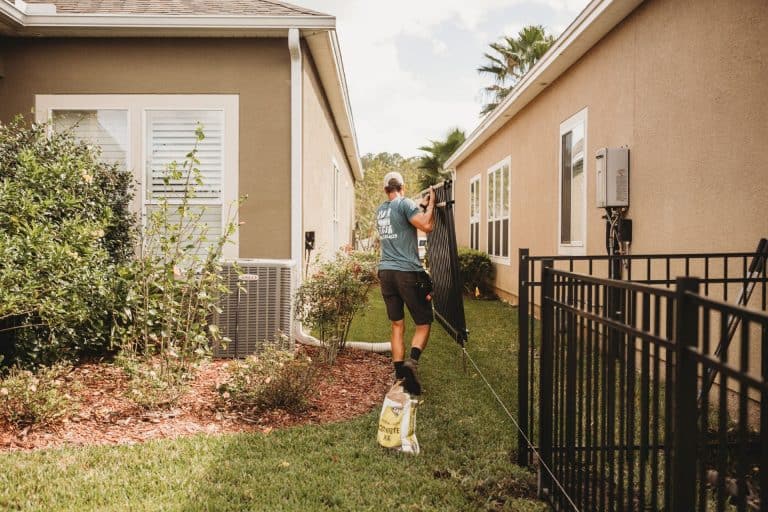
Install. Posts set clear of what should not be cut, the line stepped properly where the ground moves, gates hung and adjusted so a wide gate still closes correctly over time, site cleared, and a final walk of the line with you before we leave.
Ortega Fence Questions, Answered Before the First Post Hole
Not on its own. Part of Ortega is listed on the National Register of Historic Places as the Old Ortega Historic District. That listing recognizes the age and character of the area, and it does not by itself create a local design approval requirement for a fence, because Ortega is not one of Jacksonville's locally designated historic districts. Fence permitting in Ortega runs through the City of Jacksonville the same way it does elsewhere in the city, with requirements depending on height and placement. What can genuinely affect your project is specific to your property: a recorded easement, a deed restriction in your title, or a private covenant on your street. Property-specific requirements may apply, so confirm by address and look at your survey rather than making assumptions about the area.
Ortega is inside the City of Jacksonville, so fence permitting runs through the city's Planning and Development Department. What is required depends on height, placement and whether the fence faces the street. We handle the permitting side as part of the job and confirm what your specific property needs up front. If your lot has anything recorded against it, such as an easement across the rear or a covenant on the street, that is worth finding on your survey before the work is priced rather than after the posts are set.
Often further back than people expect, for practical reasons as well as any regulatory ones. The last strip of ground before a bulkhead can be the wettest and softest on the property, it is where you need room to work when the bulkhead itself eventually needs attention, and a fence sitting right on the edge takes the full force of the wind off the water. We walk that end of the lot with you, look at where the ground changes, and set a line that leaves you access and does not fight the river. Any setback that applies to your specific property should be confirmed by address.
Only if it is the wrong fence in the wrong place. A common answer on a waterfront lot is a mix: privacy where you actually need it, generally along the side runs between neighbors, and open aluminum on the stretch facing the water so the boundary is there without the view being gone. That combination also handles wind better than a solid panel would. We will show you on the walk where we would make the change, and you can stand there and decide whether it looks right.
Usually, and a larger lot often gives us room to do it properly. Small feeder roots are not a concern. The structural roots close to the trunk are, and cutting through them can destabilize the tree or cause a slow decline that may not show for some time. Our approach is to move the post, adjust panel spacing, or step the line rather than cut something load bearing on a tree you want to keep. We show you exactly where that happens during the estimate so it is your decision, not a surprise.
It affects the hardware first. Damp air and open water are hard on fasteners, hinges and latches, and on an exposed line those are what tend to fail before the panels do. Gate hardware takes the worst of it because it moves. Material choice matters too, since anything you have to paint may want attention sooner on the water side of a property than on the sheltered side. Hardware should be specified for the exposure rather than treated the same on every lot.
No, but it needs to be planned rather than added on. A wide gate is heavy, so the posts carrying it have to be set for the load or it will start to drag. It also needs somewhere to swing or slide, and enough approach room to line a trailer up. On the walk we measure the opening and tell you whether a swing or a rolling gate suits the space before anything gets priced.
What Jacksonville Homeowners Say After the Crew Leaves
Posted on Google
 Shirley Abril
Trustindex verifies that the original source of the review is Google.
I highly recommend Jax AA Fencing! Dylan was amazing to work with. He was professional, knowledgeable, and took the time to clearly explain everything throughout the process. The quality of the work was excellent, and the entire experience was smooth from start to finish. Thank you, Dylan, for the outstanding service!Posted on Google Michelle YoungEveryone was so nice and helpful from start to finish. i had a vinyl fence put in and it looks great. Grace was wonderful and helpful with the HOA and the documentation needed, it was so easy. It was installed sooner than I thought and Brandon took great care making sure it looked good.Posted on Google
 Suzanne HerndonOur new fence is amazing! Dylan came and measured for an aluminum fence along the lake line and a white fence in the front that connected with our neighbors. The fencing was erected in one day. Dylan showed great attention to detail and made sure all of the slats were symmetrical. He was prompt, professional and very nice. When he was done he had me walk the perimeter to show me his work and to make sure I was satisfied. I would enthusiastically recommend Jax AA Fencing to anyone in need of a quality fence!Posted on Google
 George RoyalJax AA Fencing did an amazing job removing my old fence and installing a new one! The installation team was prompt, very polite, and professional. I highly recommend Jax AA Fencing if you want a great looking fence, done right, and at a reasonable price.Posted on Google
 Arthur SchlofmanExcellent job donePosted on Google
 Stacey CampbellGreat company to work with from quoting to installation. The staff very helpful. Would definitely recommend them to anyone.Posted on Google
 AJThank you to the whole team at Jax AA. You guys are awesome, and your work ethic is outstanding. The whole process was so easy, and the customer service was amazing. I’m a returning customer, and that says a lot about this company. Great communication, very punctual, prompt and professional.Posted on Google
 Samuel DrumI wanted to get my fence extended to have access to the side faucet of the house. The estimate was reasonably priced and every step along the way was very professional, and they kept in touch while waiting for the HOA approval. When my HOA finally approved the project we got everything scheduled in a timely manner. On the day of install it was super quick and done before I knew it. I highly recommend them for service and any future fencing needs.Posted on Google
 Sean CaseyExcellent experience with Jax AA Fencing! Mark and Brandon were professional, friendly, and kept us informed throughout the entire project. The fence was installed quickly, looks great, and the workmanship is top-notch. Highly recommend Jax AA Fencing to anyone looking for quality fencing and outstanding customer service!Posted on Google
 Matthew McMainFantastic people to work with. Very professional and timely. They listen to your wants and deliver.
Get the Line Walked Before You Get a Price
On an Ortega property the estimate is worth more than the number on it. Where the oaks are, where the ground falls if the lot meets the water, where privacy should stop and the view should start, and what is actually recorded against your lot are decisions that get made once. We will walk it with you, tell you what we would do, and put it in writing. Free on-site estimate, no pressure, veteran-owned and local.
Closer to Avondale or Riverside? The Avondale and Riverside pages cover those streets. Look through finished projects in our gallery, see every area we cover on the service areas page, or start with the Duval County overview.